For many businesses, warehousing problems build slowly over time.
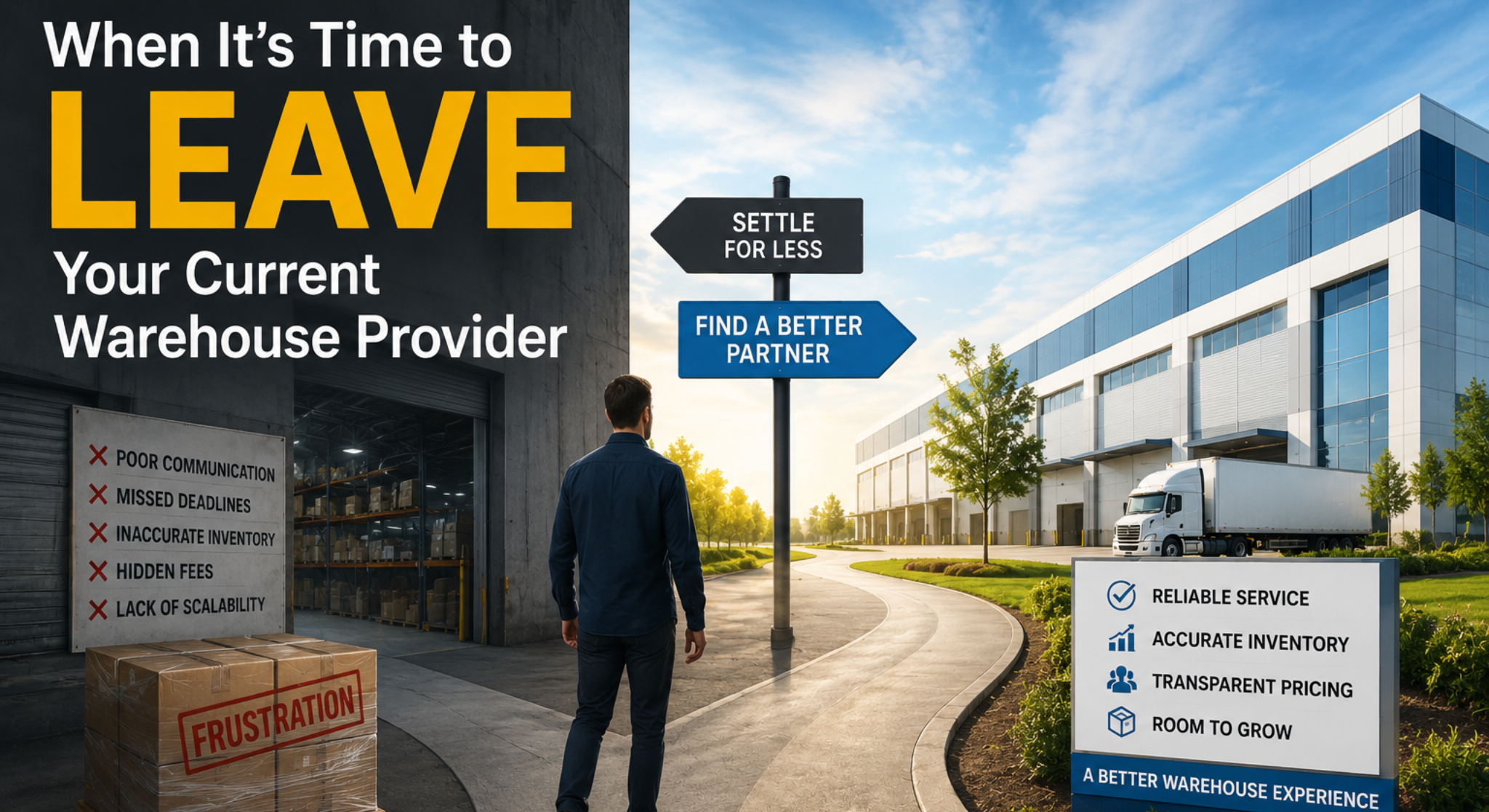
At first, delays, communication issues, or inventory mistakes may seem manageable. But as operations grow, small inefficiencies can become expensive problems that impact fulfillment, customer experience, and overall business performance.
The right warehouse provider should help operations run smoother, not create additional friction.
Knowing when to reevaluate your current warehousing setup can help prevent larger logistics issues down the road.
Signs Your Current Warehouse Provider May Be Holding You Back
Not every warehouse problem is obvious immediately.
In many cases, businesses notice patterns over time that begin affecting operational efficiency.
Frequent Shipping Delays
Consistent delays in inventory movement or outbound shipping can disrupt customer expectations and create unnecessary operational stress.
As fulfillment timelines become more important, warehouse responsiveness matters more than ever.
Inventory Visibility Problems
Businesses need accurate inventory tracking and reliable communication.
If inventory counts are inconsistent or difficult to verify, it becomes harder to manage purchasing, forecasting, and fulfillment efficiently.
Poor Communication and Slow Response Times
Warehouse partnerships depend heavily on communication.
Slow responses, unclear updates, or difficulty resolving issues can create major operational headaches, especially during busy seasons or time-sensitive shipments.
Limited Scalability
As businesses grow, warehousing needs often change.
A provider that worked for smaller operations may no longer support:
- Increased inventory volume
- Regional distribution
- Faster fulfillment expectations
- Seasonal demand spikes
Scalability becomes critical for long-term growth.
Rising Logistics Costs Without Better Service
Increasing transportation, storage, or handling costs without operational improvements may signal that the current setup is no longer efficient.
Over time, inefficient warehousing can quietly reduce margins.
What Businesses Should Look for in a Better Warehouse Partner
Changing warehouse providers is a significant operational decision.
Businesses should look for a partner that offers:
- Secure storage
- Inventory management
- Distribution support
- Flexible warehousing solutions
- Regional logistics access
- Responsive communication
- Scalable operational support
The goal is not just storage space. It is operational reliability.
Why Warehouse Location Matters
Warehouse location impacts delivery timelines, transportation efficiency, and regional fulfillment performance.
Businesses serving the Northeast often benefit from warehousing positioned near:
- New York City
- Long Island
- New Jersey
- Connecticut
- Major transportation corridors
Strategic location can help improve both speed and operational flexibility.
How FTZ Warehousing May Create Additional Advantages
For some importers, transitioning to FTZ warehousing may also improve operational efficiency and financial flexibility.
FTZ warehousing can help businesses:
- Delay duty payments
- Improve cash flow
- Manage imported inventory more efficiently
Businesses evaluating long-term warehouse strategies may also benefit from comparing bonded warehouses and FTZ warehouses to better understand cost structure differences.
How Triple Crown Warehouse Supports Growing Businesses
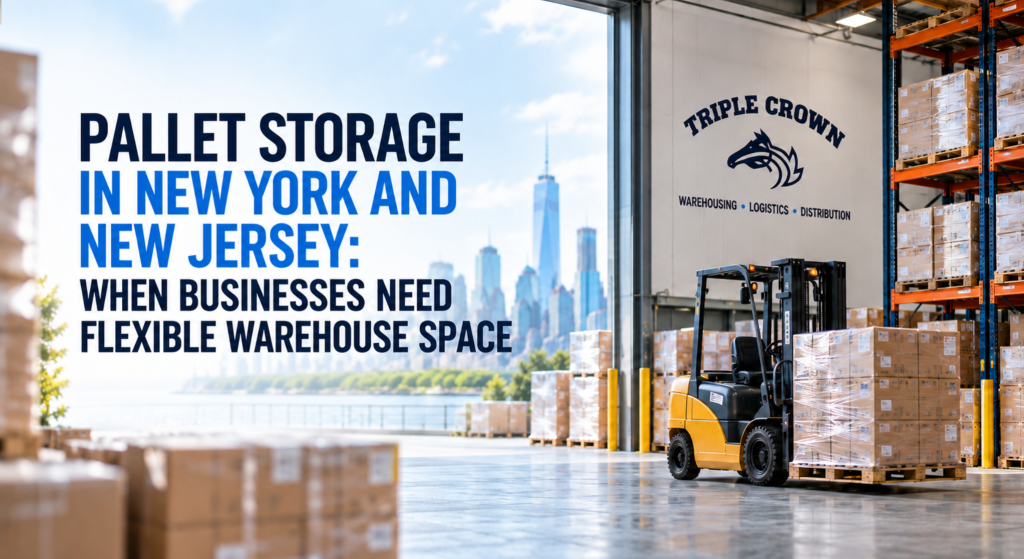
Triple Crown Warehouse provides warehousing, distribution, and logistics support for businesses throughout the New York market.
For companies seeking more responsive service, improved inventory flow, and scalable warehouse support, the right operational setup can create long-term advantages.
Final Thought
Warehousing problems do not always appear overnight.
But recurring delays, communication issues, and operational inefficiencies often signal that it may be time to reevaluate your current provider.
The right warehouse partnership should support growth, improve efficiency, and help businesses operate with greater confidence.
Need Help Evaluating Your Warehouse Setup?
👉 Speak with our team to discuss warehousing and distribution solutions tailored to your business.