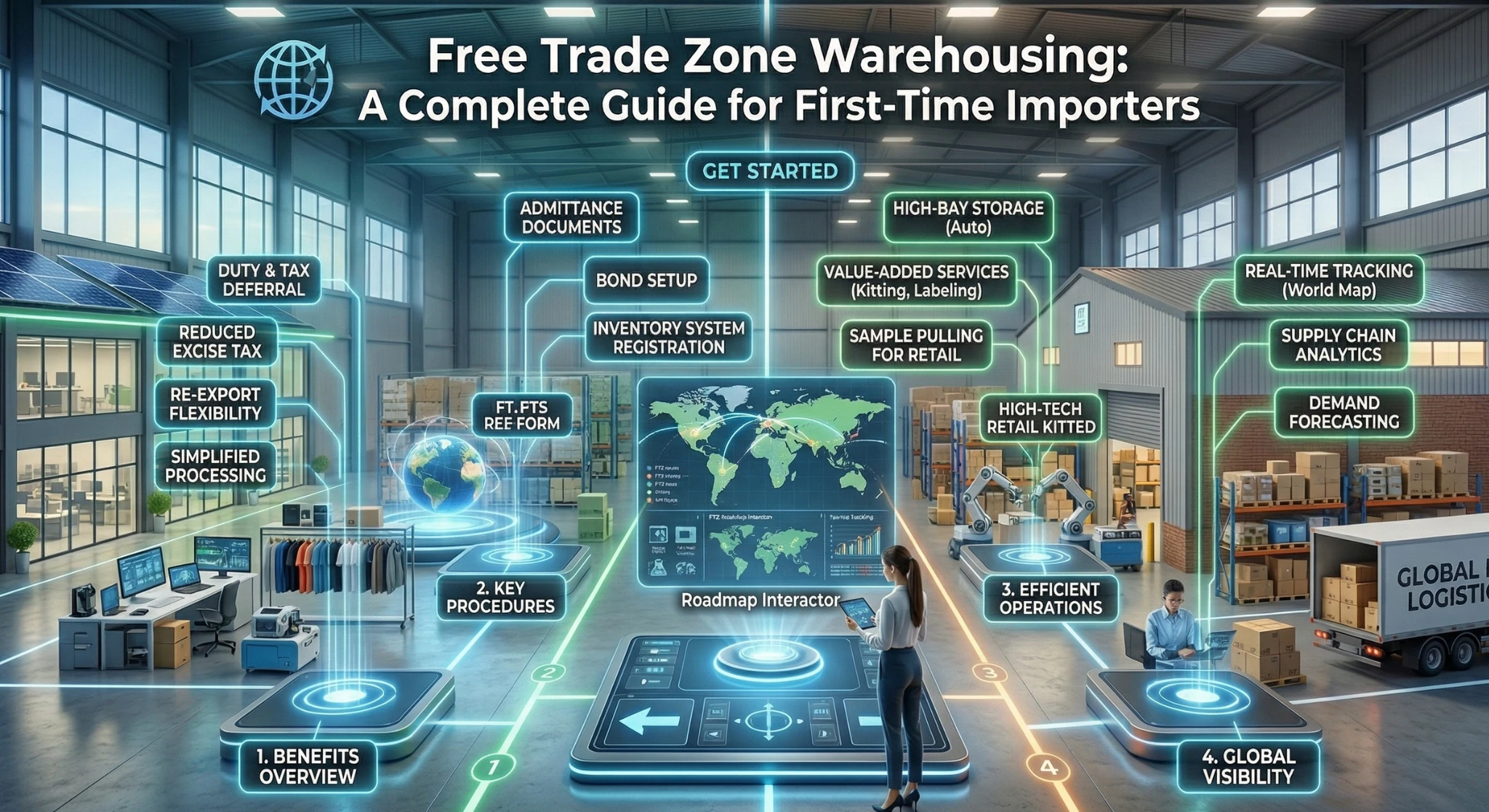
If you’re an importer, manufacturer, or distributor managing international shipments, you’ve probably felt the pressure of rising logistics costs. Import duties, customs delays, and cash flow challenges can quickly eat into your profit margins. Fortunately, there’s a proven solution that many businesses overlook: Foreign Trade Zone (FTZ) warehousing.
In this guide, we’ll break down exactly how FTZ warehousing works, the financial benefits it offers, and why partnering with an FTZ-certified facility can transform your supply chain operations. Whether you’re new to international trade or looking to optimize your existing logistics strategy, this article will help you understand why FTZ warehousing is a game-changer.
What Is FTZ Warehousing?
First, let’s start with the basics. A Foreign Trade Zone is a designated area within the United States where foreign and domestic goods are considered to be outside U.S. Customs territory. This means that when you store products in an FTZ warehouse, you can defer—or even eliminate—paying import duties until the goods leave the zone.
According to the U.S. Customs and Border Protection, FTZs were created to encourage U.S. competitiveness in global trade. Today, there are nearly 300 active FTZs across the country, helping thousands of businesses save money and streamline their operations.
How Does It Work?
When your imported goods arrive at an FTZ-certified warehouse, they can be stored, assembled, packaged, or even manufactured without immediately triggering customs duties. Instead of paying upfront, you only pay duties when:
- The goods enter U.S. commerce (leave the FTZ for domestic sale)
- Or, if you re-export the products internationally, you may pay no duties at all
This flexibility gives businesses more control over their cash flow and inventory management. Moreover, it opens up new opportunities for cost savings that traditional warehousing simply can’t match.
Key Benefits of FTZ Warehousing
Now that you understand the foundation, let’s dive into the specific advantages that make FTZ warehousing so valuable for importers and manufacturers.
1. Duty Deferral Saves You Money
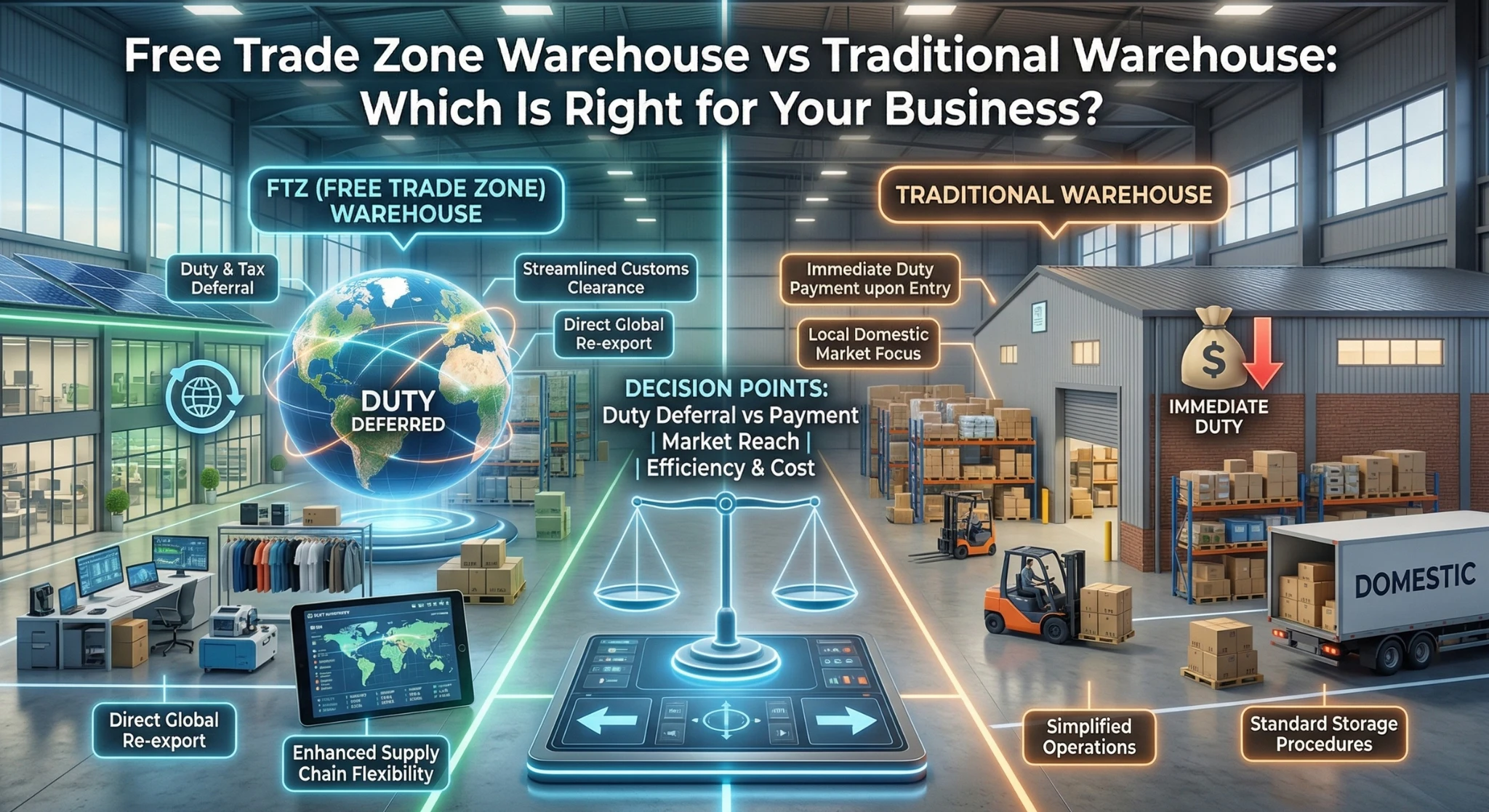
One of the biggest benefits of using an FTZ warehouse is duty deferral. Normally, when goods enter the United States, you must pay import duties right away—even if those products sit in your warehouse for months before being sold.
However, with FTZ warehousing, you can delay paying those duties until the goods actually leave the zone for domestic distribution. This means you keep more cash in your business for longer periods, which can be reinvested into operations, marketing, or expansion.
For example, if you import $500,000 worth of electronics with a 5% duty rate, that’s $25,000 you’d normally pay upfront. With an FTZ, you hold onto that $25,000 until the products are sold and shipped. Over time, this improved cash flow can make a significant difference in your bottom line.
2. Eliminate Duties on Re-Exported Goods
Additionally, if you plan to re-export products to international customers, FTZ warehousing can eliminate duties altogether. Since the goods never officially “enter” the U.S. for domestic consumption, you don’t owe any import taxes.
This benefit is especially valuable for:
- E-commerce businesses serving global markets
- Distributors managing inventory for multiple countries
- Manufacturers importing components for assembly and re-export
According to the National Association of Foreign-Trade Zones, companies saved billions of dollars in duties through FTZ programs last year alone. Consequently, businesses that leverage this strategy gain a competitive edge in pricing and profitability.
3. Improved Cash Flow and Financial Flexibility
Beyond deferring or eliminating duties, FTZ warehousing improves your overall cash flow management. When you’re not paying large customs bills upfront, you have more working capital available for other business needs.
This is particularly helpful for:
- Seasonal businesses managing inventory spikes
- Startups with limited capital reserves
- Companies expanding into new markets
Furthermore, better cash flow means you can negotiate better terms with suppliers, invest in growth opportunities, and weather economic uncertainty more effectively.
4. Streamlined Customs Procedures
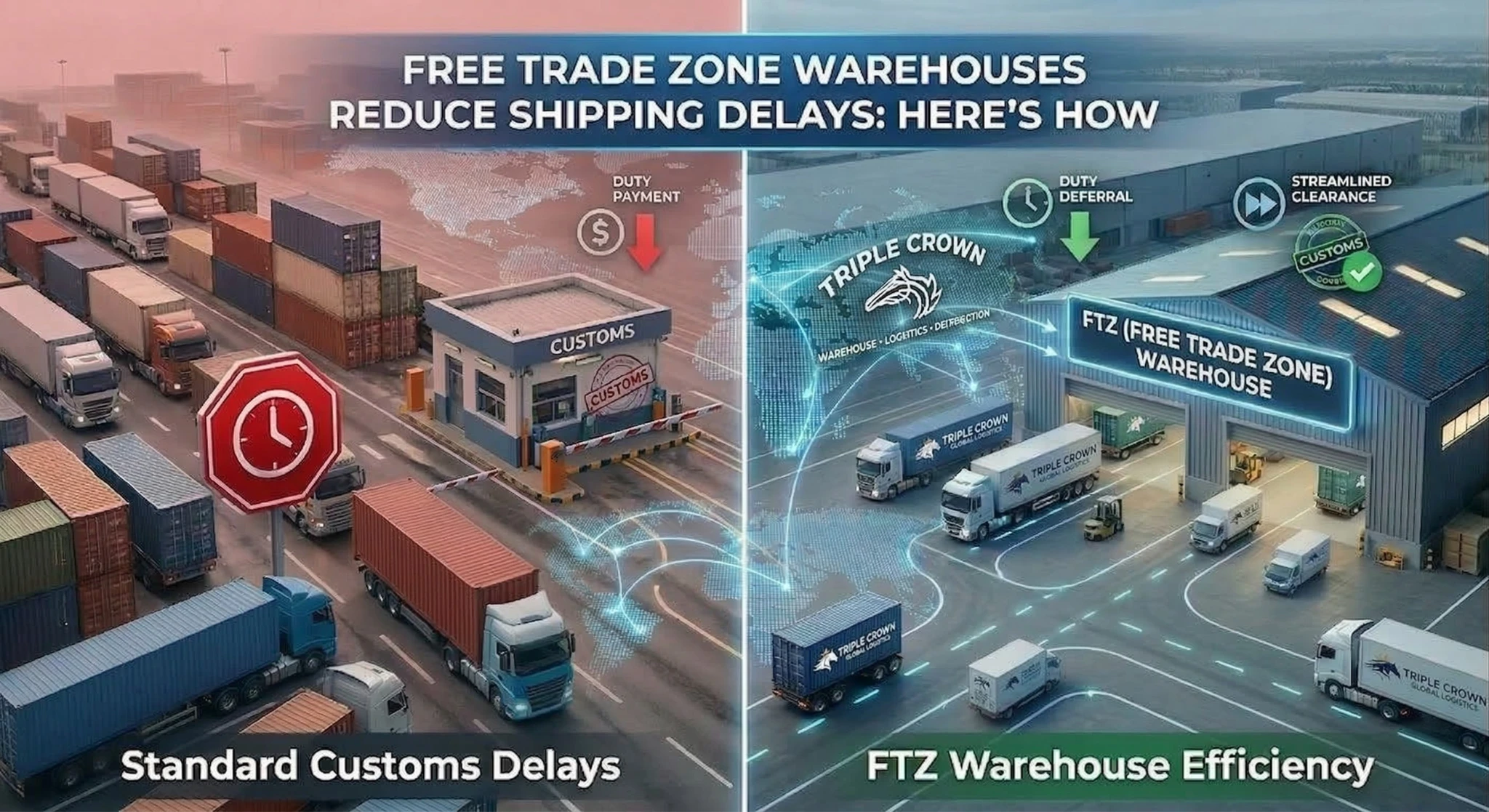
Another advantage of FTZ warehousing is the simplified customs process. Instead of dealing with complex paperwork and inspections every time goods move, FTZ facilities handle much of the administrative burden on your behalf.
The U.S. International Trade Commission reports that FTZ users experience faster clearance times and reduced compliance headaches. As a result, your products move through the supply chain more efficiently, and you spend less time managing bureaucracy.
5. Flexibility in Inventory Management
FTZ warehousing also gives you greater flexibility in how you manage your inventory. You can:
- Store goods indefinitely without time limits
- Repackage or relabel products to meet market demands
- Combine imported components with domestic materials
- Assemble or manufacture finished products within the zone
In other words, an FTZ warehouse functions as both a storage facility and a value-added operations center. This versatility is especially beneficial for manufacturers and distributors who need to adapt quickly to changing customer needs.
FTZ Distribution Services: Getting Products to Market Faster
While duty deferral and cost savings are important, FTZ warehousing offers another critical advantage: efficient distribution services. When you partner with an FTZ-certified facility that also provides fulfillment and distribution, you gain a complete logistics solution under one roof.
Order Fulfillment and Regional Distribution
Many FTZ warehouses, like those located in strategic areas such as New York, offer comprehensive distribution services. This includes:
- Order fulfillment for both B2B and B2C customers
- Custom packaging and labeling to meet retailer or brand requirements
- Regional distribution across key markets like the tri-state area
By consolidating warehousing and distribution in one location, you reduce transportation costs, speed up delivery times, and simplify your supply chain management.
Real-Time Inventory Tracking
Modern FTZ facilities also provide online inventory tracking systems that give you full visibility into your stock levels. This technology allows you to:
- Monitor inventory in real-time from anywhere
- Automate replenishment orders
- Reduce stockouts and overstock situations
- Make data-driven decisions about purchasing and sales
In today’s fast-paced market, having accurate, up-to-date inventory information is essential for staying competitive.
Who Benefits Most from FTZ Warehousing?
FTZ warehousing isn’t just for large corporations. Businesses of all sizes can take advantage of these benefits. However, certain industries and business models see the greatest impact:
Importers and Exporters
Companies that regularly move goods across international borders benefit immensely from duty deferral and streamlined customs procedures. Whether you’re importing raw materials or exporting finished products, an FTZ warehouse reduces costs and complexity.
Manufacturers
If you import components for assembly or manufacturing, FTZ facilities allow you to defer duties on those parts until the final product is sold. Additionally, you can combine foreign and domestic materials without additional customs hassles.
E-Commerce Businesses
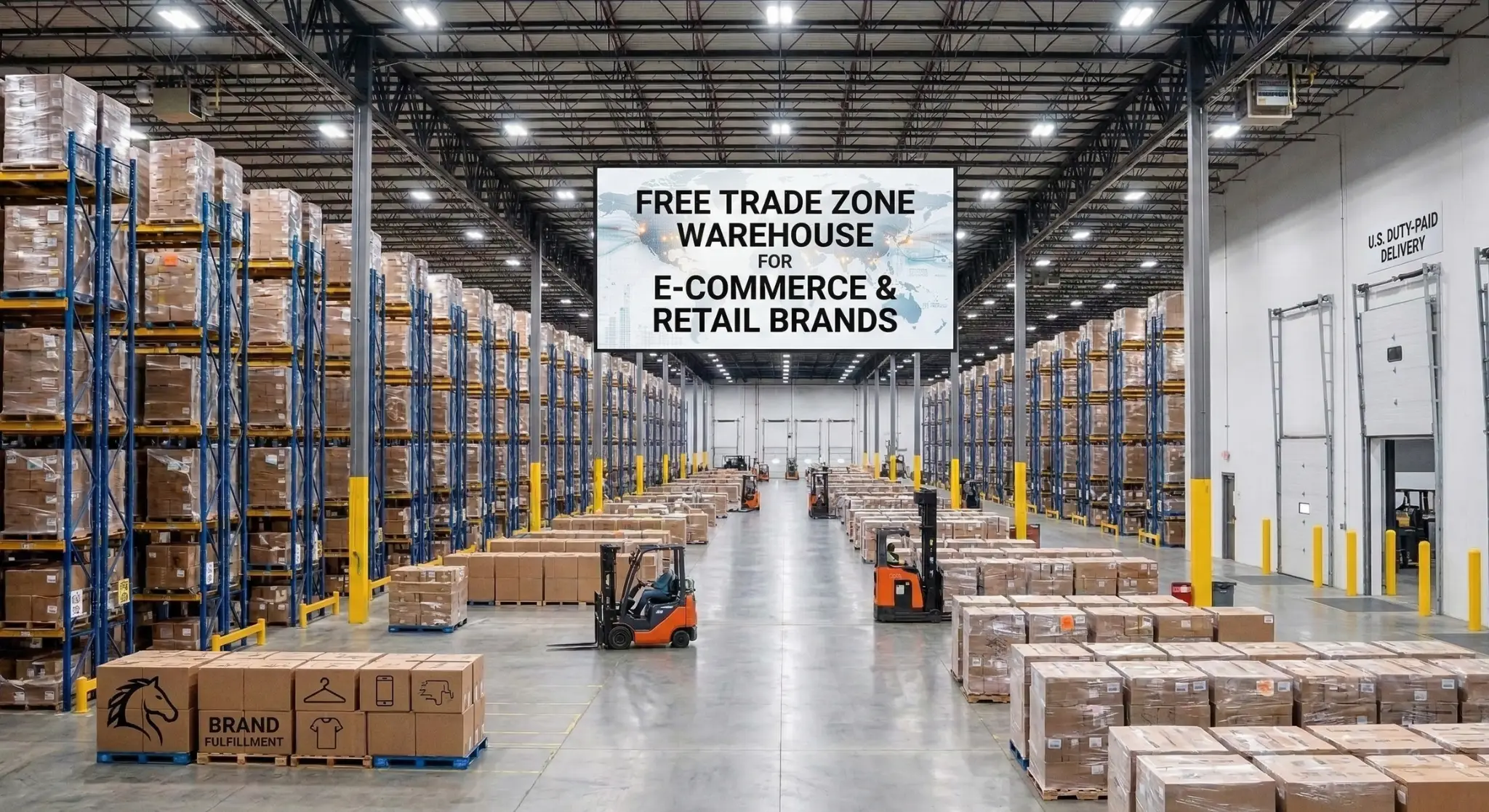
Online retailers serving both domestic and international customers can use FTZ warehousing to manage inventory more efficiently. You can store products centrally, fulfill orders quickly, and save on duties for goods shipped overseas.
Distributors and Wholesalers
Distributors who manage large volumes of inventory benefit from the cash flow improvements and flexible storage options that FTZ warehousing provides. Moreover, having a centralized distribution hub near major markets reduces shipping costs and transit times.
Choosing the Right FTZ Warehousing Partner
Not all FTZ facilities are created equal. When selecting a warehousing partner, look for these key features:
- FTZ certification verified by U.S. Customs
- Comprehensive services including storage, fulfillment, and distribution
- Strategic location near major ports, highways, or customer markets
- Advanced technology for inventory tracking and order management
- Security measures such as gated facilities and 24/7 surveillance
- Experienced staff knowledgeable in customs compliance and international trade
For instance, facilities located in New York offer proximity to major ports, international airports, and millions of consumers across the Northeast. This geographic advantage can significantly reduce your transportation costs and delivery times.
Getting Started with FTZ Warehousing
If you’re ready to explore how FTZ warehousing can benefit your business, the process is straightforward. Start by assessing your current logistics costs, including:
- Annual import duties paid
- Inventory carrying costs
- Warehousing and distribution expenses
- Cash flow constraints
Next, reach out to FTZ-certified warehouses in your target region. Ask about their services, pricing structure, and experience working with businesses in your industry. Many facilities offer consultations to help you understand the potential savings and operational improvements you can achieve.
Finally, work with your customs broker or logistics partner to transition your operations into an FTZ facility. The setup process typically involves paperwork and coordination with U.S. Customs, but experienced FTZ operators can guide you through every step.
Conclusion: Transform Your Supply Chain with FTZ Warehousing
In conclusion, FTZ warehousing offers a powerful combination of cost savings, operational flexibility, and supply chain efficiency. From duty deferral and improved cash flow to streamlined distribution and customs compliance, the benefits are clear.
Whether you’re an importer looking to reduce costs, a manufacturer seeking production flexibility, or an e-commerce business expanding internationally, FTZ warehousing can give you the competitive advantage you need to succeed in today’s global marketplace.
Ready to explore how FTZ warehousing can work for your business? Contact an FTZ-certified facility today and discover how this strategic approach can transform your logistics operations and boost your bottom line.