The e-commerce and retail landscape has never been more competitive. Customer expectations for fast, affordable delivery continue to rise while profit margins face pressure from every direction. If you’re running an online store or retail brand that imports products, you need every possible advantage to stay profitable and competitive.
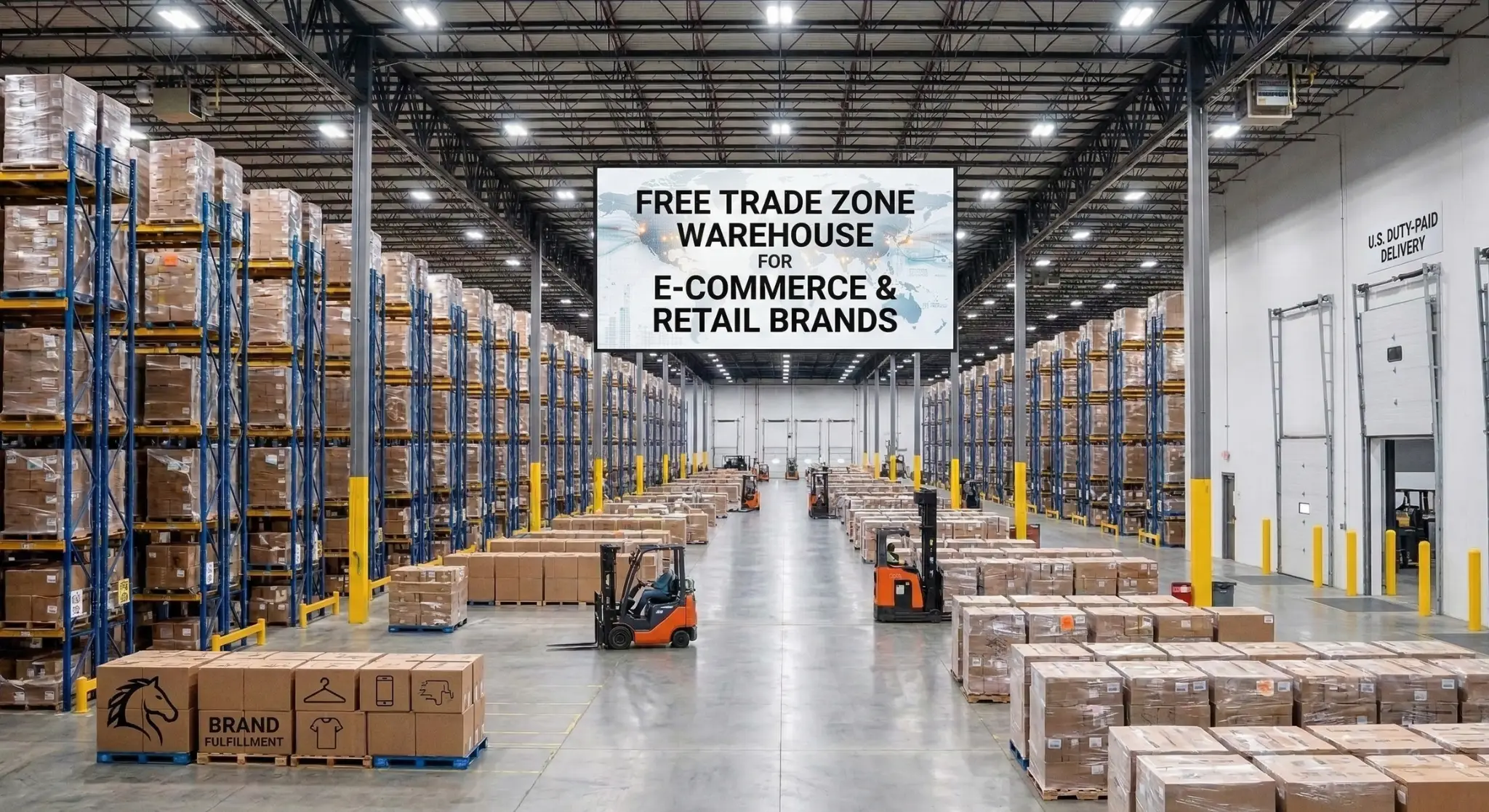
One powerful but often overlooked tool is a free trade zone warehouse. For e-commerce and retail brands, FTZ warehousing offers unique benefits that go far beyond traditional storage—from duty savings and improved cash flow to faster market testing and streamlined international expansion.
This comprehensive guide explores how free trade zone warehouses specifically benefit e-commerce and retail brands, helping you reduce costs, move faster, and scale smarter.
Understanding Free Trade Zone Warehouses for Retail Operations
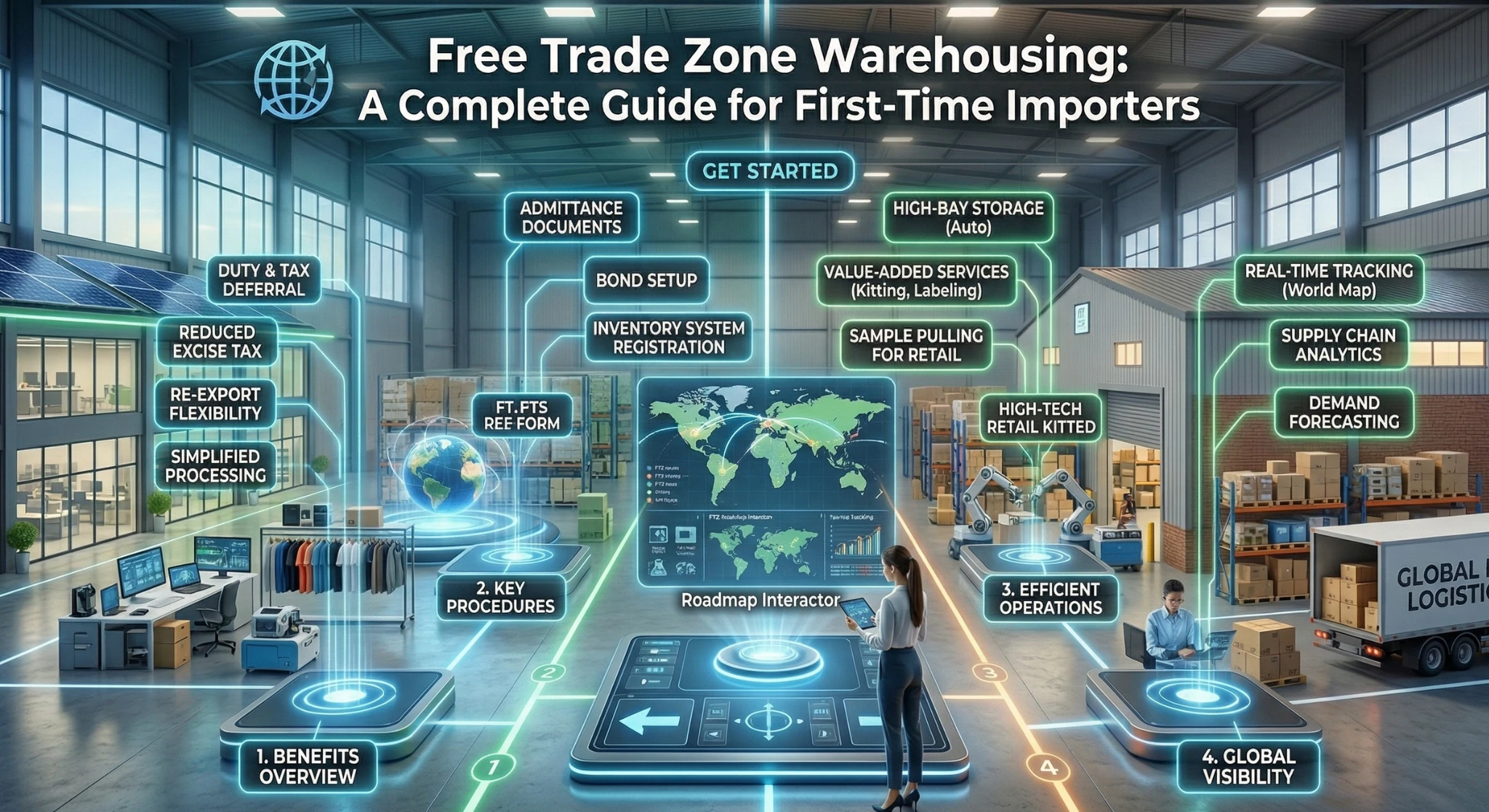
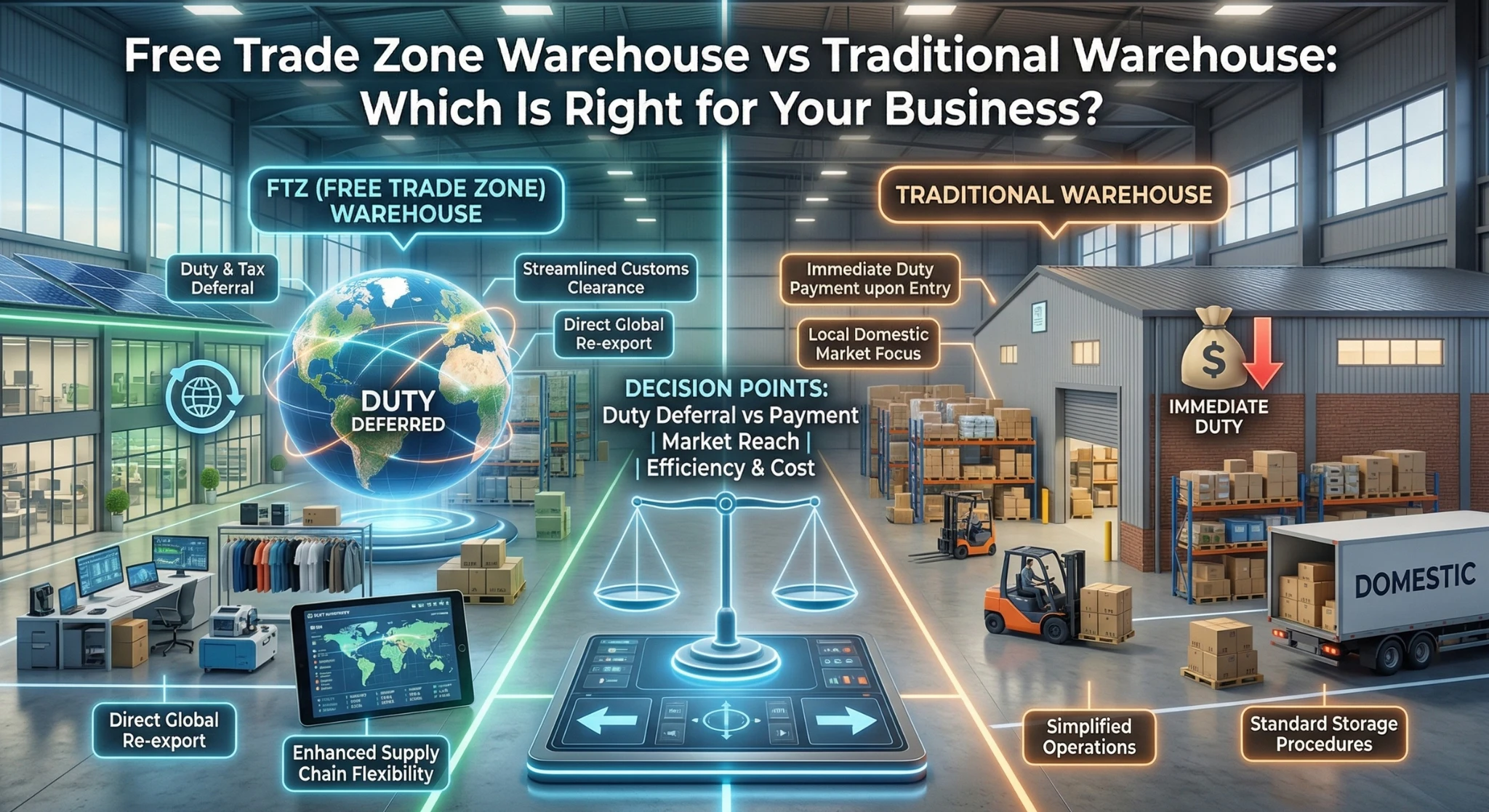
A free trade zone warehouse operates within a designated area where imported goods can be stored, processed, and prepared for sale without immediately paying U.S. customs duties. For e-commerce and retail brands, this creates significant financial and operational advantages.
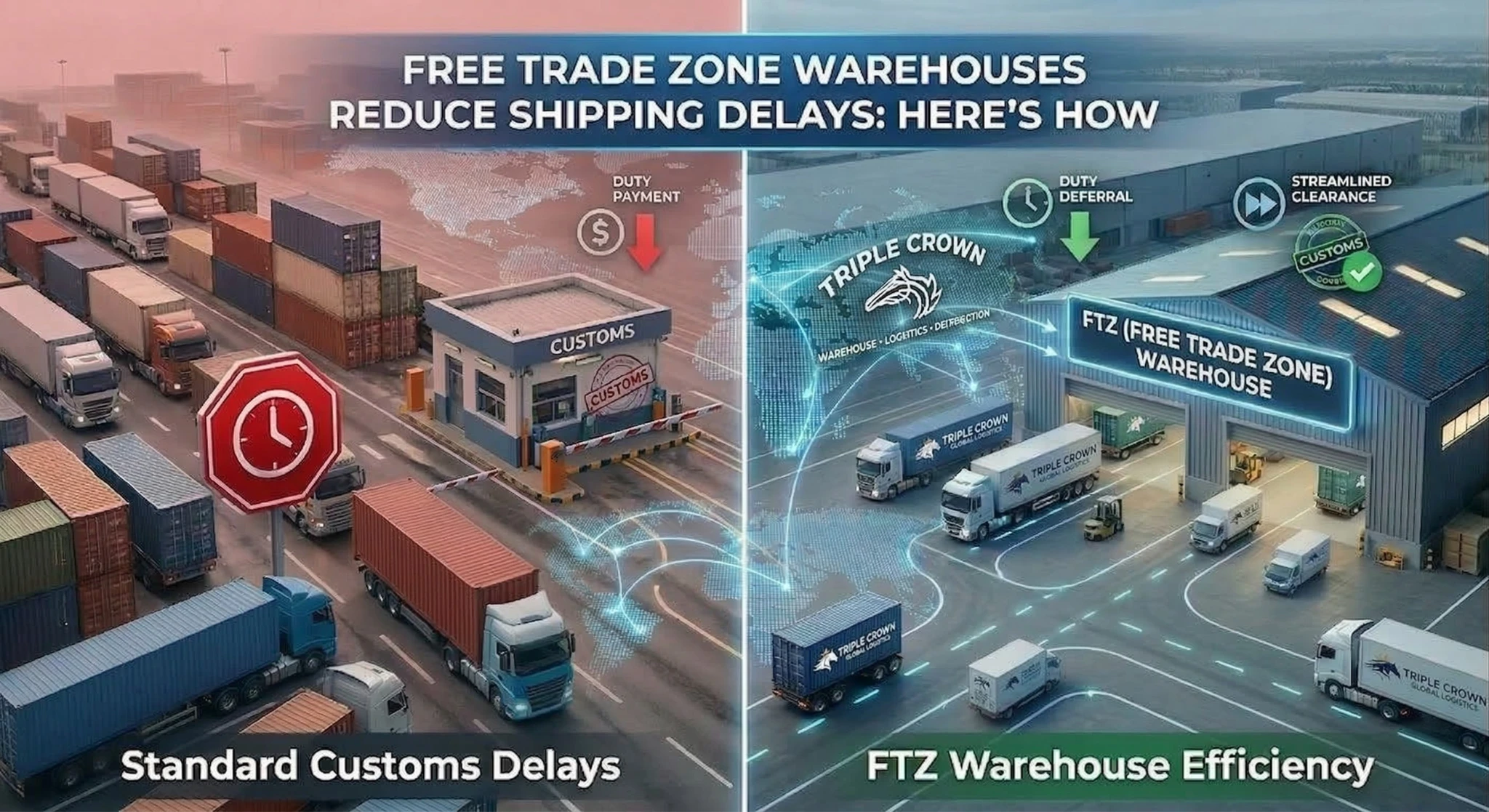
Unlike traditional warehousing where you pay duties when goods arrive in the country, an FTZ warehouse lets you defer those payments until products actually sell. This fundamental difference transforms how you manage inventory, test new products, and operate your business.
According to the U.S. Customs and Border Protection, hundreds of companies across retail, e-commerce, and consumer goods sectors utilize FTZ facilities to enhance their competitive position.
Why e-commerce and Retail Brands Benefit Most from FTZ Warehousing
The unique characteristics of e-commerce and retail operations make them particularly well-suited for FTZ benefits:
Inventory-intensive operations: Retail and e-commerce businesses carry significant inventory. The more inventory you hold, the greater your duty deferral savings become.
Product testing and turnover: Online retailers frequently test new products, seasonal items, and trend-driven merchandise. FTZ warehouses reduce the financial risk of products that don’t sell as expected.
Omnichannel complexity: Managing inventory for online, retail, wholesale, and marketplace channels requires flexibility. FTZ warehouses provide that flexibility while deferring duty payments until products enter specific sales channels.
International expansion: Many e-commerce brands sell globally. FTZ warehouses allow you to serve international customers without paying U.S. duties on those shipments.
Margin pressure: With advertising costs rising and customer acquisition becoming more expensive, every dollar of cost savings directly impacts profitability.
Key Benefits for e-commerce and Retail Brands
1. Significant Cash Flow Improvement
Cash flow is critical for growing retail and e-commerce businesses. Traditional warehousing requires you to pay customs duties when inventory arrives—before you’ve made a single sale.
Consider a typical scenario: An e-commerce brand imports $500,000 worth of products monthly with an average duty rate of 6%. That’s $30,000 in duties paid upfront every month.
In a free trade zone warehouse, you only pay duties as products sell. If your average inventory turn is 60 days, you’re keeping $60,000 in working capital available instead of tied up in prepaid duties. As you scale, these numbers multiply.
For fast-growing e-commerce brands, this cash flow advantage can mean the difference between funding your next inventory order comfortably or scrambling for financing.
2. Reduced Risk for Product Testing
e-commerce and retail brands constantly test new products, styles, colors, and variations. Not every test succeeds. In a traditional warehouse, you’ve already paid duties on inventory that doesn’t sell.
In a free trade zone warehouse, products that don’t perform can be returned to suppliers or re-exported without ever incurring U.S. customs duties. This dramatically reduces the financial downside of product experimentation.
You can confidently test broader product ranges, try trend-driven items with uncertain demand, and enter new categories knowing your downside risk is minimized. As discussed in our guide on FTZ warehousing benefits for growing operations, this risk mitigation enables faster innovation.
3. Support for International Sales
Many e-commerce brands serve customers worldwide, not just in the United States. When you store inventory in a free trade zone warehouse and ship products internationally, those items never incur U.S. customs duties.
This means you can use a U.S.-based FTZ warehouse as your global distribution hub:
- Stock one inventory pool serving both U.S. and international customers
- Avoid duty payments on products sold to Canadian, European, Asian, or Latin American customers
- Simplify inventory management by eliminating the need for separate international warehouses
- Maintain faster shipping times to international markets from a U.S. facility
For brands with 10-30% of sales going to international customers, eliminating duties on those shipments creates substantial savings.
4. Flexible Inventory Management for Seasonal Brands
Retail and e-commerce brands with seasonal demand patterns benefit significantly from FTZ warehousing. You can:
Import during off-peak periods: Bring in holiday inventory in summer when shipping rates are lower and suppliers offer better terms, storing it duty-free until the selling season.
Defer duty payments to revenue-generating periods: Pay duties during Q4 when holiday sales generate cash, rather than in Q3 when you’re building inventory and cash is tight.
Adjust inventory levels without duty implications: Test different stocking levels for new seasonal products without the burden of prepaid duties on excess inventory.
Carry strategic safety stock: Maintain buffer inventory for unexpected demand without the cash flow hit of duties on “just in case” stock.
5. Enhanced Omnichannel Operations
Modern retail brands sell through multiple channels: their own website, Amazon, other marketplaces, wholesale accounts, and perhaps physical retail locations. Managing inventory efficiently across these channels is complex.
A free trade zone warehouse provides flexibility to allocate inventory where it’s needed most:
- Keep inventory in duty-deferred status until assigned to specific orders
- Shift products between channels based on demand without triggering additional duty events
- Fulfill orders from any channel from a single inventory pool
- Only pay duties when products enter U.S. commerce through specific sales transactions
This unified inventory approach reduces total inventory requirements while maintaining high service levels across all channels.
6. Value-Added Services Without Duty Impact
e-commerce and retail brands frequently need to customize products for their market. In a free trade zone warehouse, you can perform various value-added services on duty-deferred inventory:
Custom labeling and branding: Add your brand labels, care instructions, or promotional materials without paying duties on original manufacturer packaging you remove.
Quality inspections: Check products for defects immediately upon receipt. Reject damaged or defective items before any duties are incurred.
Kitting and bundling: Create gift sets, promotional bundles, or multi-packs without additional duty implications.
Repackaging for compliance: Adapt products to meet U.S. regulatory requirements, Amazon packaging guidelines, or retail partner specifications.
Product photography and content creation: Process items for your online catalog while they’re in duty-deferred status.
These capabilities, detailed in our services overview, streamline operations and reduce total costs.
7. Improved Financial Planning and Reporting
For e-commerce and retail brands, duty deferral creates better alignment between expenses and revenues on your financial statements. Duties are paid when products sell rather than when they arrive, matching costs more closely with income.
This provides several advantages:
- More accurate profitability analysis by product and channel
- Clearer cash flow forecasting tied to sales rather than import schedules
- Better gross margin visibility for pricing decisions
- Easier financial planning for seasonal businesses
Many retail CFOs report that FTZ accounting provides a clearer picture of true profitability than traditional warehousing.
8. Competitive Pricing Advantages
In price-sensitive e-commerce markets, small cost differences matter. The savings from duty deferral, elimination on re-exports, and reduced inventory carrying costs translate directly to competitive advantages:
Lower prices to customers: Pass savings through to win price-sensitive shoppers.
Higher margins at market prices: Maintain market-rate pricing while enjoying better margins.
More aggressive promotional capability: Fund deeper discounts during sales events without sacrificing profitability.
Flexibility to match competitor pricing: React to competitive price changes without margin erosion.
In markets where customers compare prices across multiple sellers instantly, these advantages can significantly impact sales volume and market share.
Real-World Applications for Different Retail Segments
Fashion and Apparel Brands
Clothing retailers face unique challenges—trend risk, seasonal inventory, and frequent returns. Free trade zone warehouses address these by allowing you to import seasonal collections duty-free, paying only on items that sell, and handle returns efficiently.
Home Goods and Furniture
Large, expensive products with long shipping times benefit from deferred duty payments on high-value inventory and the ability to inspect for shipping damage before incurring duties.
Electronics and Technology
Fast product cycles make FTZ warehousing ideal for importing the latest models without massive upfront duty payments and testing market demand before committing fully.
Beauty and Cosmetics
Compliance-heavy products benefit from quality inspection capabilities, repackaging services to meet FDA labeling requirements, and custom kitting for gift sets.
Implementing FTZ Warehousing in Your Retail Operation
Successfully integrating a free trade zone warehouse into your e-commerce or retail business requires planning:
Step 1: Analyze Your Current Costs
Calculate exactly how much you’re currently paying in customs duties and when those payments occur. Multiply your average monthly import value by your effective duty rate, then factor in your inventory turn rate to determine potential cash flow benefits.
Step 2: Identify High-Opportunity Products
Not all products benefit equally. Prioritize:
- High-duty items (greater savings per unit)
- Fast-moving inventory (maximum cash flow benefit)
- Test products with uncertain demand (risk mitigation value)
- Items sold both domestically and internationally (duty elimination opportunities)
Step 3: Choose the Right FTZ Partner
Select a warehouse operator experienced in e-commerce and retail operations. Look for capabilities like:
- Modern inventory management systems with real-time visibility
- Integration with e-commerce platforms and marketplaces
- Order fulfillment and direct-to-consumer shipping
- Returns processing and reverse logistics
- Value-added services relevant to your products
Our article on choosing the right FTZ warehouse provides detailed selection criteria.
Step 4: Integrate Systems and Processes
Ensure your FTZ warehouse connects seamlessly with:
- Your e-commerce platform (Shopify, WooCommerce, BigCommerce, etc.)
- Marketplace seller accounts (Amazon, eBay, Walmart, etc.)
- Your ERP or inventory management system
- Accounting software for accurate duty tracking
- Analytics tools for performance monitoring
Step 5: Train Your Team
Make sure your operations, finance, and customer service teams understand how FTZ warehousing affects:
- Inventory status and duty obligations
- Order fulfillment processes
- Financial reporting and forecasting
- Returns handling procedures
- International shipping options
Measuring Success and ROI
Track these key metrics to quantify the value of your FTZ warehouse:
Financial metrics: Total duty payments avoided, duty elimination savings on re-exports, and working capital freed up for business growth.
Operational metrics: Order fulfillment speed, inventory turn rates, and returns processing efficiency.
Strategic metrics: New product test velocity, international sales growth, and overall margin improvement by channel.
Common Questions from e-commerce and Retail Brands
Does FTZ warehousing work with Amazon FBA? Yes, many brands use FTZ warehouses as their primary receiving facility, then transfer inventory to Amazon as needed. You only pay duties on inventory sent to FBA.
Can I use FTZ warehousing for direct-to-consumer fulfillment? Absolutely. Many FTZ warehouses offer fulfillment services, shipping orders directly to customers while managing duty payments automatically.
What about returns from customers? Returns received at your FTZ warehouse that are unsalable due to damage never incur additional duties. Restocked items pay duties on eventual resale.
Taking the Next Step
For e-commerce and retail brands operating on tight margins in competitive markets, free trade zone warehousing offers a combination of cost savings, operational flexibility, and risk mitigation that’s difficult to match through other means.
The cash flow benefits alone often justify the transition, but when combined with reduced product testing risk, support for international expansion, and operational advantages, FTZ warehousing becomes a strategic imperative for growth-focused brands.
Whether you’re a startup e-commerce brand importing your first containers or an established retailer looking to optimize existing operations, FTZ warehousing deserves serious consideration as part of your supply chain strategy.
Ready to explore how a free trade zone warehouse can benefit your e-commerce or retail brand? Contact our team at (631) 348-4994 to discuss your specific needs. We specialize in helping online and retail brands maximize the benefits of FTZ warehousing while maintaining the speed and flexibility today’s market demands.
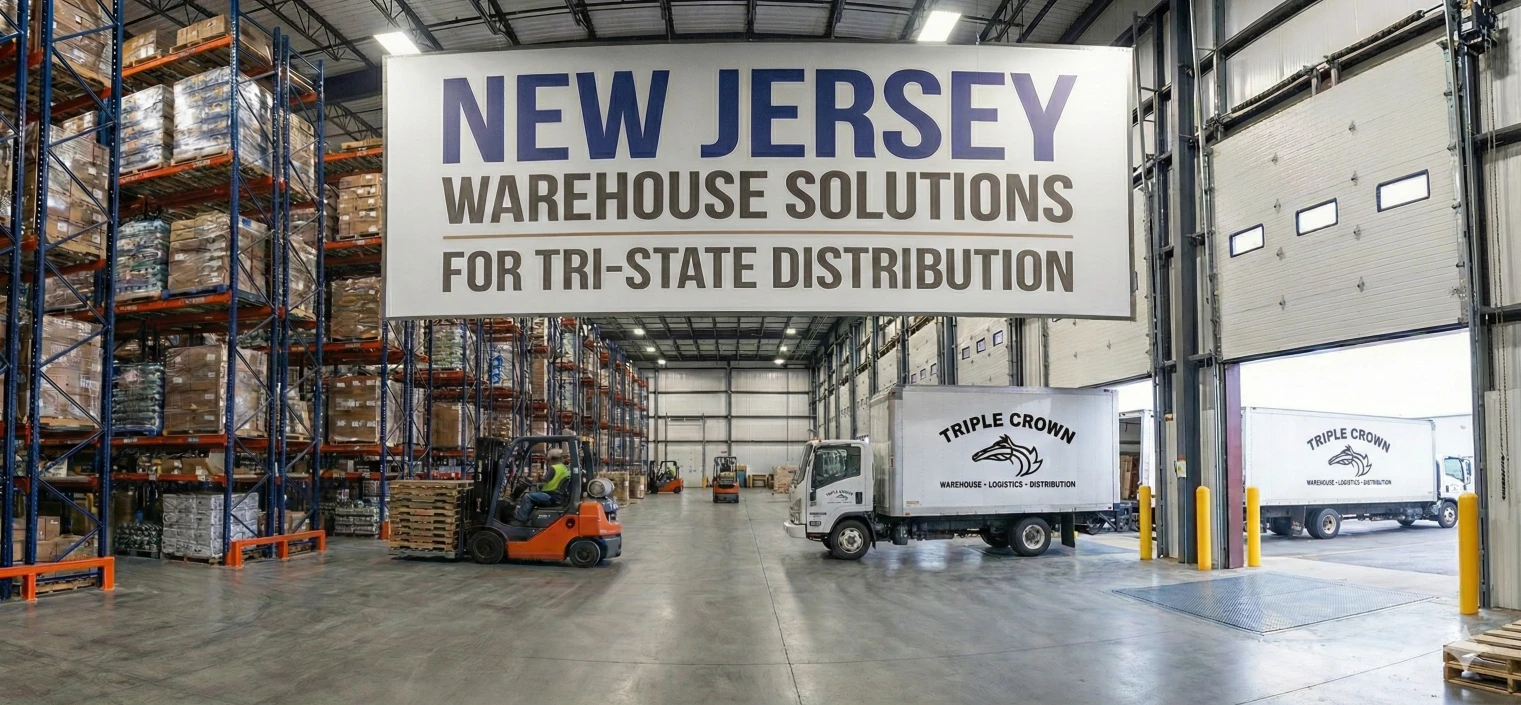
About Triple Crown Warehouse: We provide FTZ warehousing and fulfillment solutions specifically designed for e-commerce and retail brands. Our 110,000 sq. ft. facility combines Foreign Trade Zone benefits with modern technology and comprehensive services to help your brand grow profitably in competitive markets.