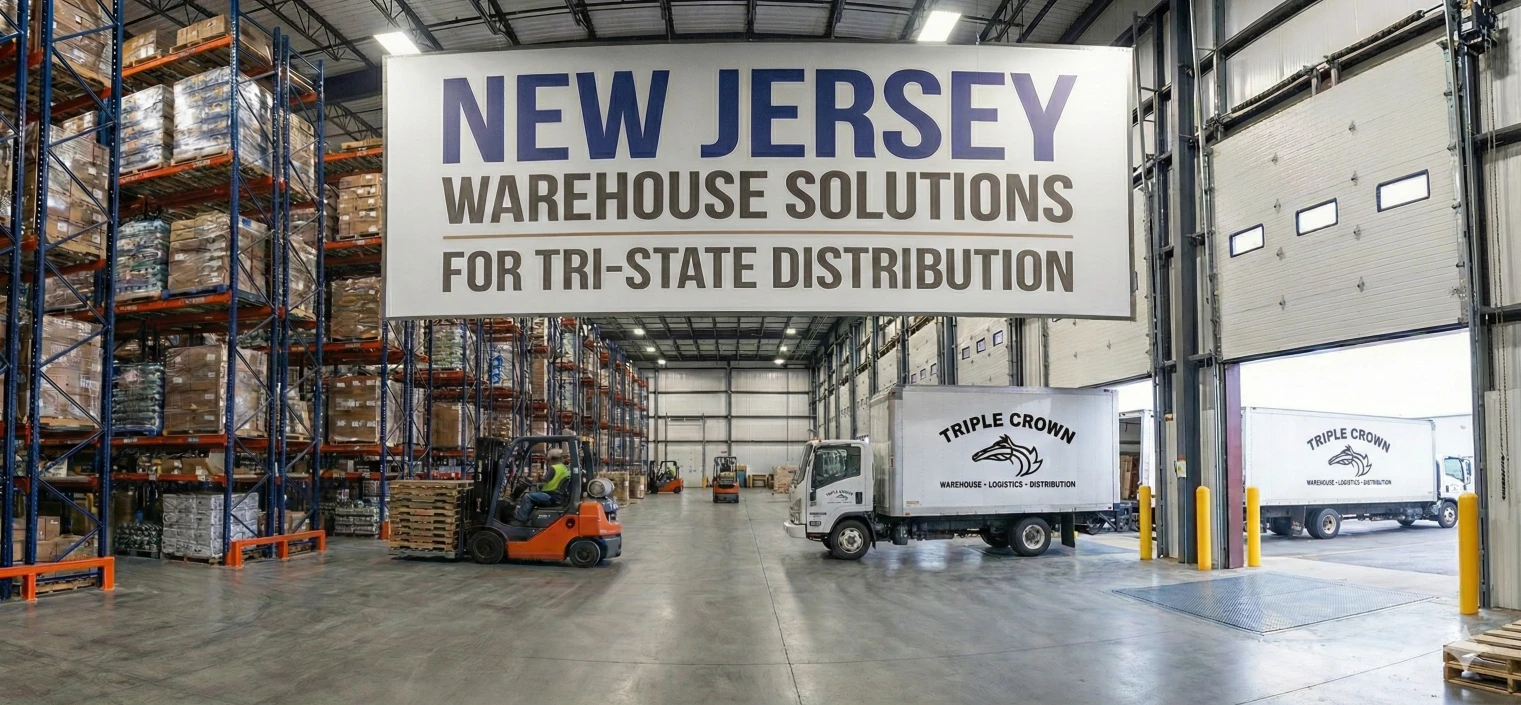
When you’re managing international shipments and looking to cut costs, finding the right free trade zone warehouse can make a significant difference to your bottom line. But with multiple FTZ facilities available across the country, how do you choose the one that best fits your business needs?
This guide walks you through the essential factors to consider when selecting a free trade zone warehouse, helping you make an informed decision that supports your supply chain goals.
Understanding What Makes a Free Trade Zone Warehouse Different
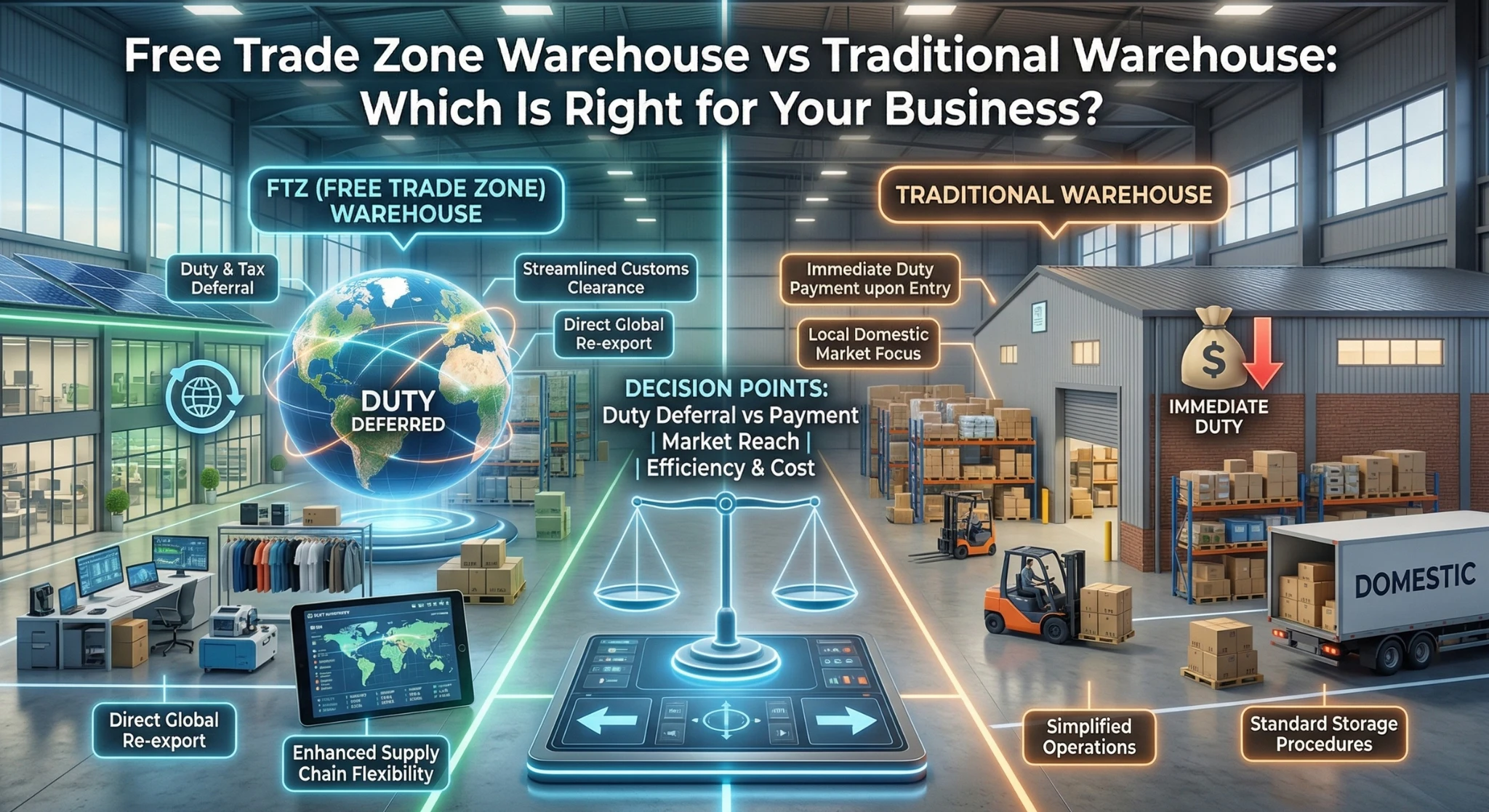
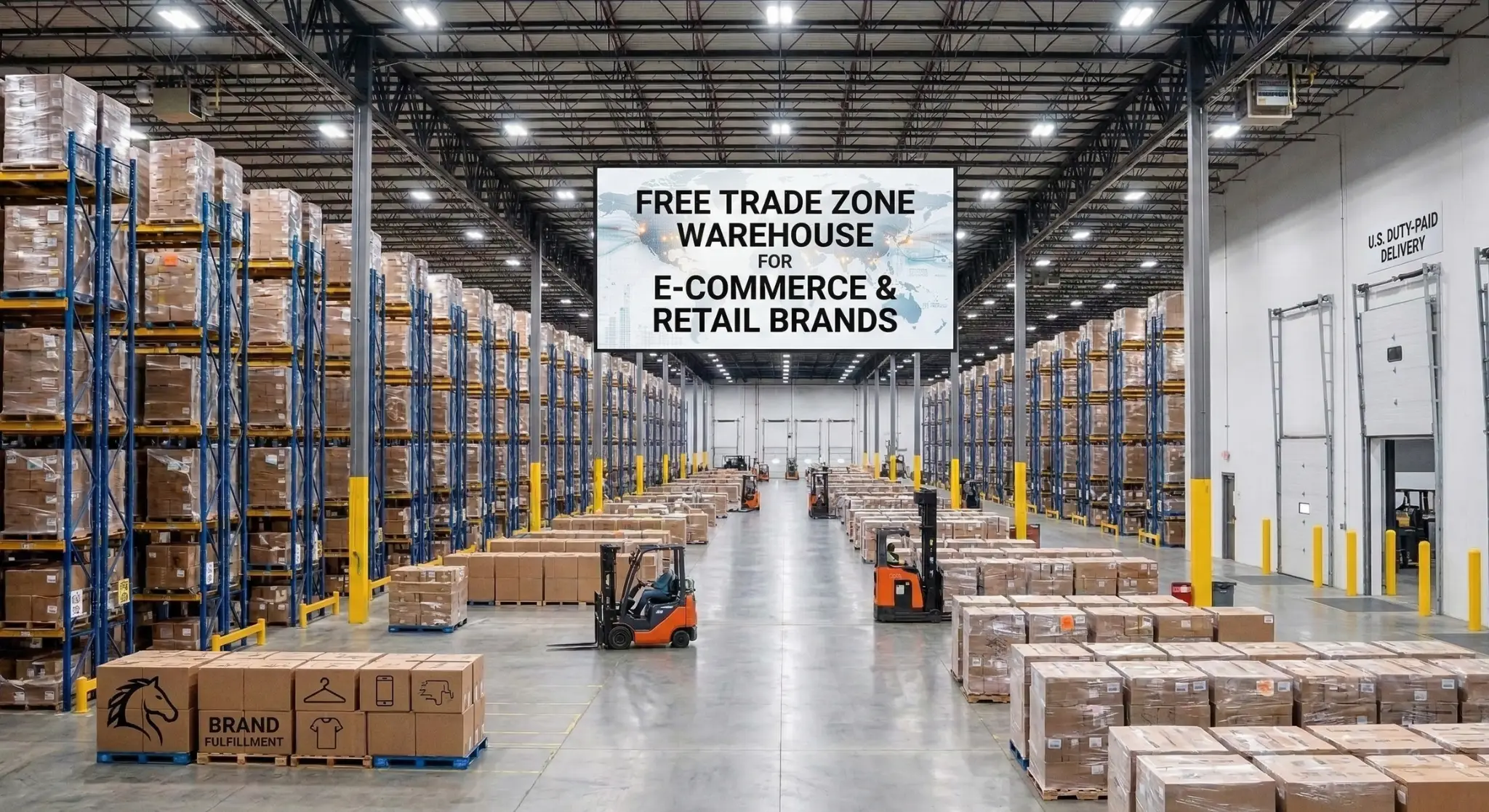
Before diving into selection criteria, it’s important to understand what sets a free trade zone warehouse apart from standard warehousing facilities. A free trade zone warehouse operates within a designated area where imported goods can be stored, processed, or manufactured without immediately paying customs duties.
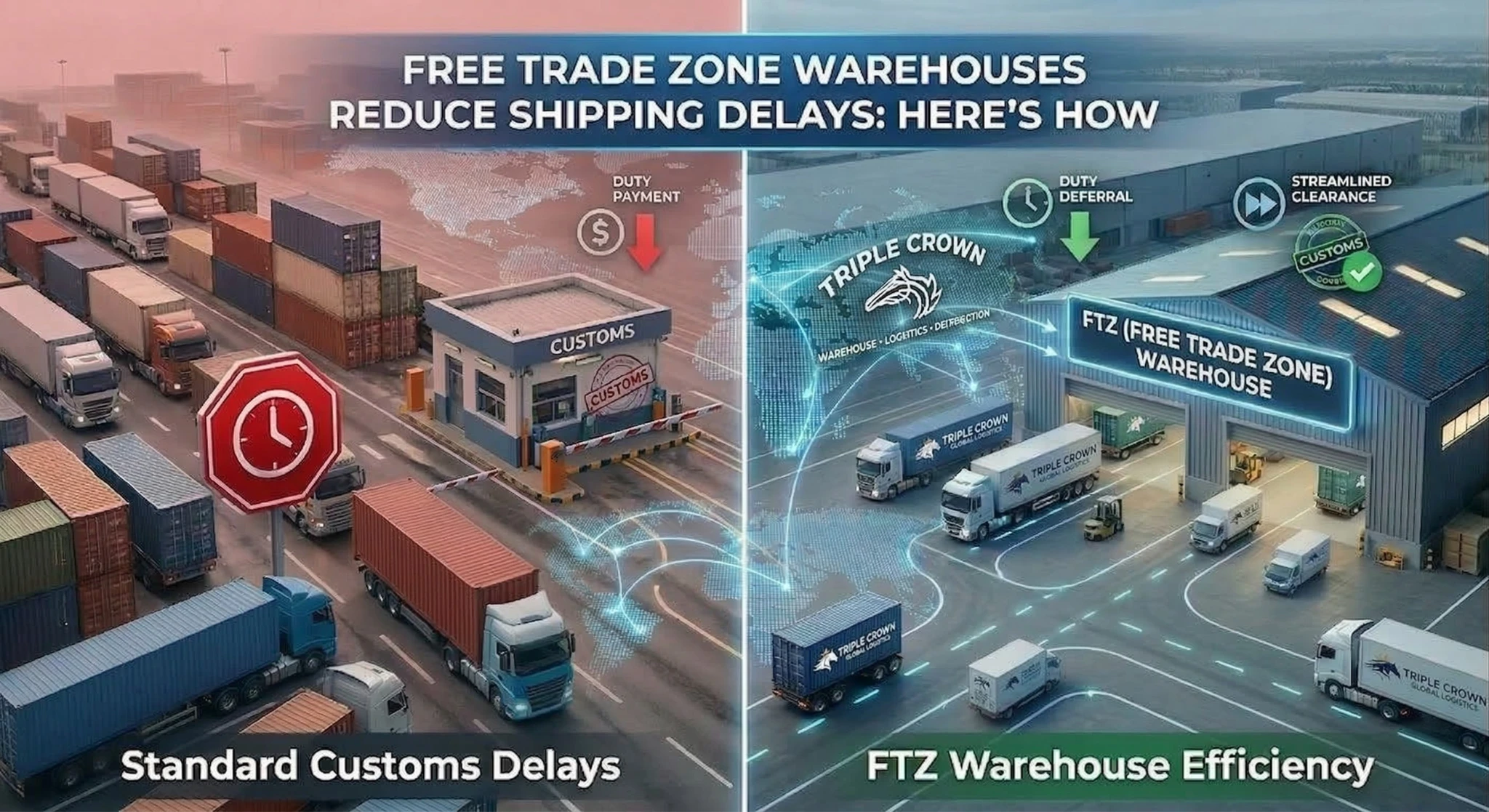
This special status provides importers with significant financial and operational advantages. Unlike conventional warehouses, FTZ facilities allow you to defer, reduce, or even eliminate certain import duties—benefits that can translate to substantial savings over time.
Key Factors to Consider When Choosing Your FTZ Warehouse
1. Location and Port Proximity
Location is one of the most critical factors in your decision. The right free trade zone warehouse should be strategically positioned near major ports or transportation hubs to minimize inland shipping costs and transit times.
For businesses importing through East Coast ports, proximity to facilities in New York and New Jersey offers distinct advantages. As outlined in our article on how FTZ warehousing cuts costs for importers in New York, being close to Port Newark or JFK Airport can reduce drayage fees and speed up your supply chain.
Consider these location factors:
- Distance from your primary port of entry: Shorter distances mean lower transportation costs and faster delivery times
- Access to major highways and rail lines: Multi-modal transportation options provide flexibility and backup routes
- Proximity to your distribution markets: Being closer to your end customers reduces outbound shipping expenses
- Local labor market: Areas with experienced logistics workers ensure smoother operations
The U.S. Foreign-Trade Zones Board maintains a comprehensive directory of all activated FTZ sites across the country, which can help you identify facilities in your target regions.
2. Available Services and Capabilities
Not all free trade zone warehouses offer the same range of services. Your chosen facility should align with your specific operational needs.
Essential services to look for include:
Storage capabilities: Does the warehouse offer ambient, climate-controlled, or refrigerated storage? Make sure they can handle your product types safely.
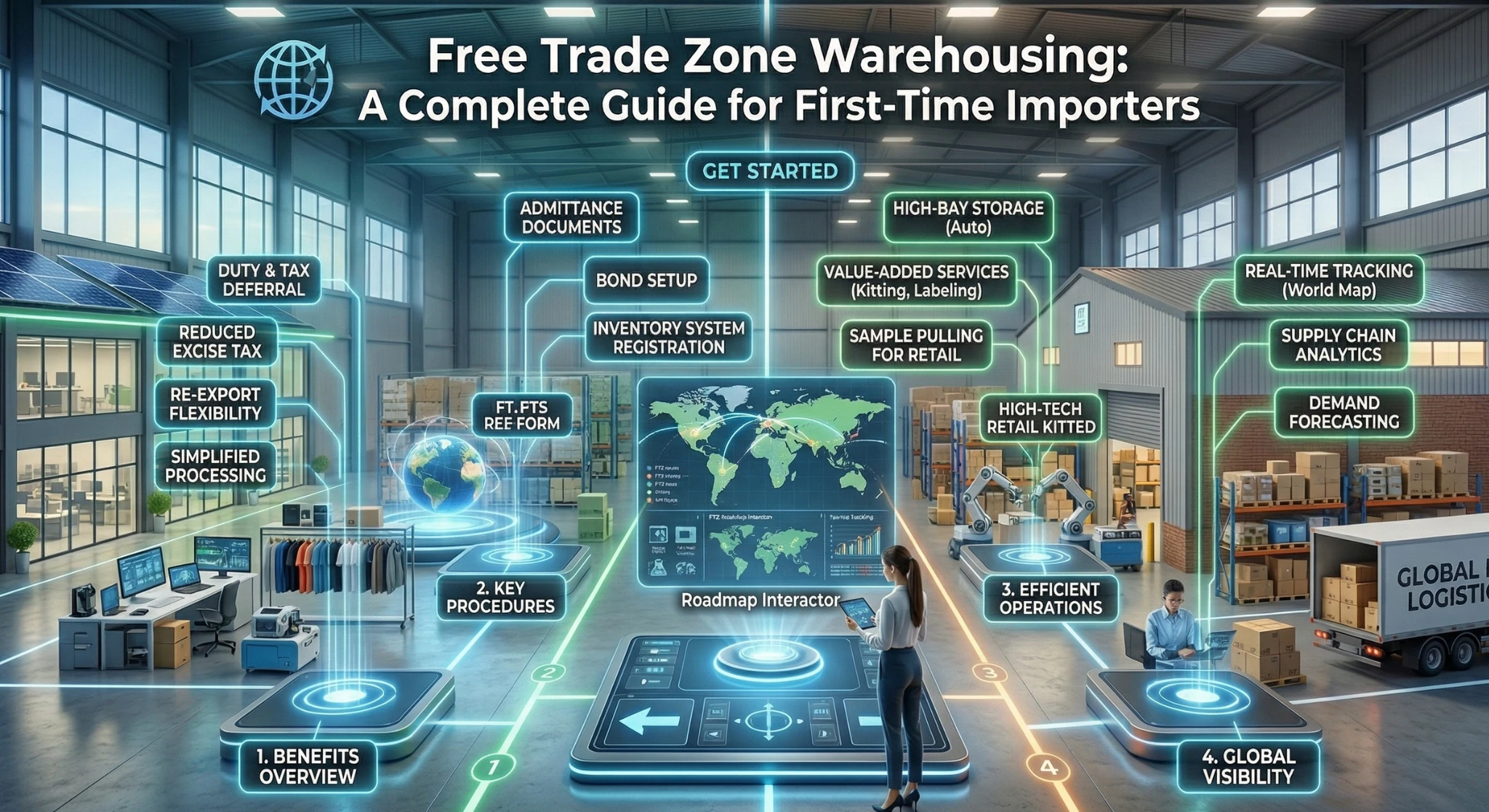
Value-added services: Many FTZ facilities provide services beyond basic storage, such as labeling, kitting, repackaging, quality inspections, and light assembly work. These can streamline your operations significantly.
Inventory management systems: Modern warehouse management systems (WMS) with real-time tracking capabilities help you maintain visibility over your inventory at all times.
Cross-docking capabilities: If you need to quickly transfer goods from inbound to outbound shipments, ensure the facility can accommodate this.
Manufacturing and processing: Some businesses need to perform substantial transformation of goods within the FTZ. Verify that your chosen warehouse permits and supports these activities.
3. FTZ Activation Status and Compliance History
This is crucial: not all FTZ sites are automatically operational. A designated zone must be formally activated before operations can begin.
When evaluating a free trade zone warehouse, verify:
- Current activation status: Is the facility fully activated and operating under FTZ procedures?
- Compliance track record: Does the warehouse have a clean history with U.S. Customs and Border Protection (CBP)?
- Experience with your product category: Some facilities specialize in specific types of goods and have established procedures for handling them
Working with an experienced FTZ operator minimizes the risk of compliance issues that could disrupt your supply chain. The National Association of Foreign-Trade Zones provides resources on FTZ best practices and can help you vet potential partners.
4. Size and Scalability
Your business needs may change over time, so choose a free trade zone warehouse that can grow with you.
Consider both your current and projected future requirements:
- Current storage space needs: Do they have sufficient square footage for your inventory?
- Growth capacity: Can they accommodate seasonal fluctuations or business expansion?
- Flexible leasing terms: Are you locked into rigid contracts, or can you scale up and down as needed?
Starting with a warehouse that offers room to grow prevents the costly and disruptive process of switching facilities as your business expands.
5. Technology and Reporting Capabilities
In today’s digital environment, robust technology infrastructure is non-negotiable.
Your FTZ warehouse should offer:
Real-time inventory visibility: You should be able to check stock levels, location, and status at any time through an online portal.
Automated reporting: Regular reports on inventory movements, aging stock, and duty calculations save you time and reduce errors.
Integration capabilities: The warehouse’s systems should integrate with your ERP, e-commerce platform, or other business software.
Data security: With cyber threats on the rise, ensure the facility maintains strong cybersecurity measures to protect your sensitive business information.
6. Cost Structure and Transparency
While cost shouldn’t be your only consideration, it’s certainly important. Understanding the complete cost structure of a free trade zone warehouse helps you make accurate comparisons.
Beyond the basic storage rate, clarify:
- Handling fees: What are the charges for receiving, putting away, picking, and loading goods?
- Administrative fees: Are there FTZ-specific documentation or compliance fees?
- Minimum charges: Some facilities require minimum monthly fees regardless of volume
- Additional service costs: What do value-added services cost?
A transparent pricing structure with no hidden fees demonstrates a warehouse’s commitment to honest business practices. For a detailed breakdown of potential savings, review our guide on FTZ warehousing benefits and duty deferral.
7. Customer Service and Communication
The quality of customer service can make or break your warehousing experience.
Look for these indicators of strong customer support:
- Dedicated account management: Will you have a specific contact person who understands your business?
- Responsiveness: How quickly do they respond to inquiries and resolve issues?
- Proactive communication: Do they alert you to potential problems before they escalate?
- Flexibility: Are they willing to customize solutions for your unique needs?
Don’t hesitate to ask for references from current clients. Speaking with other businesses that use the facility provides valuable insights into day-to-day operations and service quality.
8. Security and Insurance
Your inventory represents a significant investment, so proper security measures are essential.
Evaluate the warehouse’s security protocols:
- Physical security: Look for features like fencing, security gates, surveillance cameras, and on-site security personnel
- Access controls: Who can enter the facility, and how is access monitored?
- Fire suppression systems: Are there modern sprinkler systems and fire detection equipment?
- Insurance coverage: What insurance does the warehouse carry, and what are your responsibilities?
The International Warehouse Logistics Association provides industry standards and best practices for warehouse security that reputable facilities should meet or exceed.
Questions to Ask Potential FTZ Warehouse Partners
When you’ve narrowed down your options, schedule visits to your top candidates. During these tours, ask:
- How long have you been operating as an FTZ facility?
- What types of businesses do you typically serve?
- Can you walk me through your receiving and shipping processes?
- How do you handle inventory discrepancies?
- What is your average order accuracy rate?
- How do you stay current with changing CBP regulations?
- What happens if there’s a disruption (weather event, equipment failure, etc.)?
- Can you provide case studies or examples of how you’ve helped similar businesses?
These conversations reveal not just the warehouse’s capabilities but also whether their approach and culture align with your business values.
Making Your Final Decision
Choosing the right free trade zone warehouse is about finding the best overall fit for your business—not just the lowest price or closest location.
Create a scorecard that weights the factors most important to your operation. For some businesses, location is paramount. For others, specialized handling capabilities or technology integration take priority.
Don’t rush this decision. The right FTZ partnership can deliver years of cost savings, operational efficiency, and peace of mind. The wrong choice can lead to hidden costs, compliance headaches, and supply chain disruptions.
Common Mistakes to Avoid When Selecting an FTZ Warehouse
Learning from others’ experiences can save you time and money. Here are frequent pitfalls businesses encounter:
Focusing solely on price: The cheapest option often comes with hidden costs or limited services. A slightly higher rate that includes comprehensive inventory management typically delivers better value.
Ignoring compliance expertise: Working with a warehouse that lacks FTZ compliance knowledge can result in costly violations. Choose a partner with proven CBP compliance experience.
Underestimating space requirements: Calculate storage needs including seasonal peaks. Build in a buffer to avoid scrambling for additional space during busy periods.
Skipping the facility tour: Always visit the warehouse in person to assess cleanliness, organization, equipment condition, and staff professionalism.
The Role of FTZ Warehouses in Your Supply Chain Strategy
A free trade zone warehouse isn’t just storage—it’s a strategic tool that reshapes your entire supply chain.
Smart importers use FTZ facilities to:
Test new markets with less risk: By deferring duties until goods enter U.S. commerce, you can stock inventory for test markets without the full upfront tax burden.
Manage cash flow more effectively: Duty deferral means you keep more working capital available. You only pay duties as goods are sold and revenue is generated.
Respond faster to customer demand: Having inventory positioned in an FTZ warehouse near major markets lets you fulfill orders quickly.
Reduce total landed costs: Through duty elimination on re-exports and duty reduction on processed goods, FTZ operations significantly decrease your total cost of goods.
According to the U.S. Customs and Border Protection, merchandise worth hundreds of billions of dollars moves through foreign trade zones annually.
Moving Forward with Confidence
Once you’ve selected your free trade zone warehouse, work closely with your new partner during the onboarding process. Clear communication about your expectations, products, and processes from the start establishes a foundation for a successful long-term relationship.
Remember that your needs may evolve over time. The best FTZ warehouse partners conduct regular business reviews to ensure their services continue to meet your changing requirements.
If you’re ready to explore how the right free trade zone warehouse can benefit your import business, contact our team to discuss your specific needs. With the right facility and partnership in place, you can focus on growing your business while your FTZ warehouse handles the complexities of international logistics.
About Triple Crown Warehouse: We provide comprehensive FTZ warehousing and distribution solutions designed to reduce costs and streamline operations for importers. Our strategically located facilities offer the services, technology, and expertise you need to succeed in today’s competitive global marketplace.